Are You Prepared for Battle? Insights from a Non-Combatant / Чи готові ви до бою?
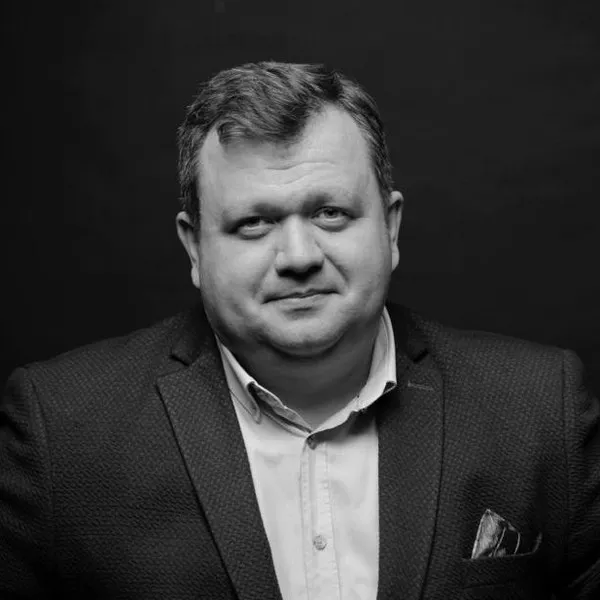
Олександр Черних Адвокат. Голова Комітету з примусового виконання рішень Національної Асоціації адвокатів України
An examination of Europe's lack of readiness for conflict and the potential dangers faced by civilians.
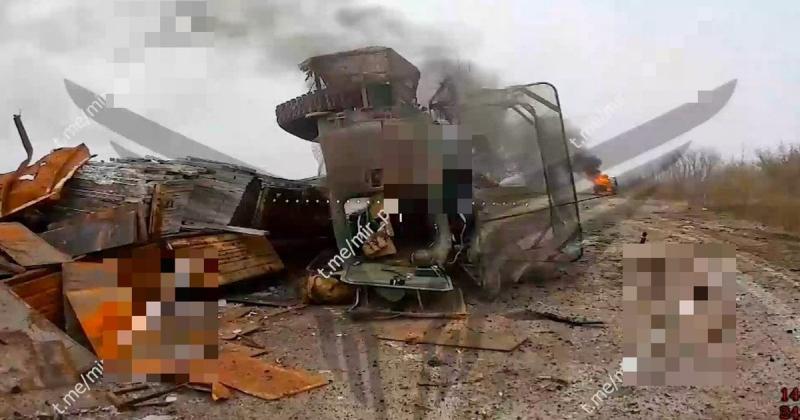
An eye-opening report from The New York Times and Daily Mail revealed that during military drills, a group of ten Ukrainian soldiers, all with actual combat experience, engaged in exercises that involved "simulating the annihilation of 30 vehicles" and one thousand NATO personnel.
I highly encourage you to engage with this material. The complacency and sense of bliss prevalent in the Western world—the assumption that NATO forces are entirely equipped to handle a genuine invasion by seasoned military units—needs to be dismantled.
While the media might excitedly broadcast footage of a €1.5 million missile obliterating an aging pickup truck occupied by three armed Islamists, this article takes a different approach, focusing on the harsh truth of engaging with a trained military force. The grim reality of warfare is that lives are lost.
Now let me describe the absurd rules in NATO countries that would paralyze daily life after the first Russian drone strike on a military base or oil depot.
Digital Networks and Communication Systems
Rest assured: when the internet goes down, civilian interactions with government entities will be stifled. Which nations have maintained independent land-based broadcasting systems? How will you send out signals if your system is solely dependent on a centralized internet framework? Every service provider is reliant on the same energy grid.
Energy Infrastructure
Recent news highlighted the lengthy repairs in Berlin after saboteurs severed crucial cables, leaving sections of the city without power for an entire week. While decentralized energy generation in Europe might be more resilient against attacks on power facilities, the reality is that distribution stations and transformers serve as the critical links in the system. This means that consumers can still experience extended outages, as there are typically no fully independent backup systems in place. Moreover, when backup systems do exist, they are frequently situated alongside the primary infrastructure, as was demonstrated in Berlin, where a single act of vandalism incapacitated both the main and two backup cables at once.
Cash and Financial Systems
There are few actions as illogical as restricting cash access in the lead-up to a possible conflict. Reflecting on my own experiences during the initial days of war, I recall that stores were barren. Essential items could either be purchased informally or not at all. It is crucial for every household to have a minimum of a week's worth of food and water on hand.
In the initial days, the local store close to my residence still had some stock available; however, the entrance was constantly targeted by sniper fire, rendering it inaccessible. ATMs were drained within moments. To evacuate, one needed fuel that had to be bought with cash, or tickets that also required cash. If you happen to have between €1,000 and €2,000 stashed at home, it will quickly vanish, as the cost of basic necessities skyrockets three to four times almost overnight.
I do not believe European payment systems would function smoothly during the first 2-4 days while systems adapt. Ukrainian banks -- which are technologically more advanced than many EU systems -- still needed a full day to stabilize operations, even without European bureaucratic constraints.
Fuel
On the day the bombardment started, my vehicles were all fueled up. I tend to be meticulous, so I made sure one tank was filled with 75 liters of gasoline while the other contained 60 liters of LPG. Fuel vanishes rapidly, especially since oil storage facilities are often attacked. An electric car might manage a maximum range of 100 kilometers, but congestion and insufficient charging stations can hinder your journey.
After a grueling two-week journey, I finally found myself in a relatively secure area, having stayed behind while my family traveled to Europe. Our success hinged on the fact that I had enough fuel to cover 1,500 kilometers. The gas stations along the highways were devoid of fuel. However, close to the border, I stumbled upon some LPG and managed to fill up 40 liters. Petrol was scarce and strictly rationed to 10 liters per vehicle, available only for cash transactions or, if you were lucky enough, through prepaid fuel vouchers.
I remember giving my 20-liter fuel voucher to a family from Kharkiv driving an old Lada -- 10 liters would not have been enough for them to reach Romania.
(For months, fuel shortages in Eastern Ukraine were critical. To transport humanitarian aid from warehouses, I personally drove with plastic fuel canisters between Kharkiv and Kyiv, carrying 350-400 liters per trip. I would never repeat that today -- pouring petrol into plastic containers is extremely dangerous due to static electricity and explosion risk.)
The inquiry at hand is: where in Europe can you purchase plastic canisters? Which locations will be equipped to refill them? Additionally, how will various regions sustain their fuel supplies when just 5 centimeters of snow can disrupt operations across portions of Europe?
Regulations and Deceptions
I won’t delve into the concepts of equality, human rights, and the myriad values for which Europe invests billions each year. Trust me when I say that a single drone at the border, alongside a tank or an aircraft, safeguards diversity and freedom far more efficiently than numerous parades or a multitude of films centered on identity.
Insights from occupied regions reveal that Russian troops show a blatant disregard for established conventions. When they do not resort to murder right away, they often commit acts of sexual violence before ultimately killing. The principles of warfare, carefully crafted by diplomats in Geneva, hold no weight for those wielding Kalashnikovs.
The only true guarantee is preparedness -- even, as in Switzerland, where households are integrated into national defense structures.
When occupying forces enter a city, they carry lists obtained by intelligence: politicians, police officers, veterans, volunteers, NGO activists. In 99% of cases, these individuals are executed or tortured within the first 48 hours of occupation.
Consequently, I believe it is imperative for European nations to initiate rigorous stress assessments of their infrastructure and start preparations without delay.
Am I overstating the situation? Absolutely not. I prefer to refrain from detailing the accounts shared by my peers who have recorded instances of widespread atrocities, or the horrifying image of heaps of unclothed women—professionals from various fields like management, education, and accounting—who were brutally killed on February 21 and subsequently incinerated after being assaulted by March 1. I could recount how fellow attorneys scrubbed their homes following the invasion by Buryat and Chechen forces. But what purpose would that serve? The conflict may seem distant—until airports in Amsterdam or Paris shut down due to "unidentified drones." Just envision 400 to 500 such drones being launched each night toward European urban centers.
Are the procedures, regulations, and compliance frameworks in Europe adequately prepared to address armed conflict?
Are you prepared on a personal level?
Чи вважаєте ви себе підготовленим до війни? Роздуми звичайної людини.
Шокуюча стаття в The New York Times про те, як під час навчань 10 українських військових із бойовим досвідом "умовно знешкодили" 30 одиниць техніки та тисячу солдатів НАТО. Раджу прочитати.
Сон і ейфорія західного світу про те, що армії НАТО готові до реального вторгнення професійної армії, мають зникнути. Якщо в новинах вам захопливо показують, як ракетою за 1,5 мільйона євро знищують старий пікап із трьома бойовиками з автоматами, -- то ця історія не про сучасну війну проти професійної армії.
У справжньому конфлікті відбувається вбивство.
Тепер розглянемо, які нелогічні норми в країнах НАТО можуть заблокувати життя після першого ж удару російських дронів по військовій базі чи нафтобазі.
Інтернет і комунікації
Будьте впевнені: взаємодія між громадськістю та державними структурами буде заблокована разом із втратою доступу до інтернету. Які держави змогли зберегти повноцінне радіомовлення? Як ви плануєте передавати інформацію в умовах централізованої інфраструктури інтернету? Усі постачальники послуг покладаються на єдину енергетичну мережу.
Енергетичні системи та їхня інфраструктура
Ті, хто слідкував за новинами, бачили, скільки днів у Берліні ремонтували перерубані кабелі. Частина міста тиждень була без електрики. Так, розподілена генерація в Європі краще витримає удари по електростанціях. Але вузли розподілу та трансформатори об'єднують усе -- і споживачі залишаться без світла на години, бо дублюючі системи відсутні або розміщені там само, де й основні. Як у Берліні: один удар -- і виведено з ладу основний та два резервні кабелі.
Фінанси
Неможливо уявити більшої помилки, ніж обмеження готівки в умовах, коли нависла загроза війни. Це мій власний досвід з перших днів повномасштабного вторгнення. Магазини залишилися без товарів. Придбати щось можна тільки "з рук", або ж не знайти взагалі. Кожна сім'я повинна мати запас їжі та води, принаймні, на тиждень.
У перші три дні в крамниці, що знаходиться біля мого дому, ще можна було купити продукти. Проте вхід постійно контролював снайпер, через що потрапити всередину було неможливо. Банкомати вичерпували свої запаси за лічені хвилини. Евакуюватися можна було лише за готівку — на пальне або на квитки.
Якщо у вас вдома є 1000-2000 євро готівкою, цих коштів вистачить лише на кілька днів, оскільки ціни на основні товари можуть злетіти в 3-4 рази. Я сумніваюся, що європейські платіжні системи зможуть працювати без збоїв у перші 2-4 дні, поки система не адаптується до нових умов. Українським банкам, які мають високий рівень технологічного розвитку, знадобилося ціле добу для стабілізації, і це ще без урахування європейської бюрократії.
Паливо
На ранок першого дня атак у мене були заповнені баки. Звичка все мати в запасі: 75 літрів бензину та 60 літрів LPG. Паливо зникає швидко — нафтобази під ударами. Електромобіль дозволить проїхати не більше 100 км: затори, а заряджати немає де.
Я до умовно безпечного місця добирався цілих 14 днів. Родина вирушила в Європу, а я залишився на кордоні. Ми змогли доїхати лише завдяки тому, що мав 1500 км пального в запасі. Заправки були порожні, а бензин видавали по 10 літрів на руки, тільки за готівку або ваучерами.
Пам'ятаю, як віддав свій талон на 20 літрів родині з Харкова на старенькій "Ладі" -- їм би не вистачило 10 літрів, щоб доїхати до Румунії.
Тепер питання: де в Європі ви купите каністри? Скільки заправок наллють вам паливо в каністру? Як забезпечуватиметься регіональний запас, якщо 5 см снігу вже паралізують країни?
Правила та дійсність
Не буду затягувати з роздумами про рівність та права людини. Повірте: один безпілотник на кордоні, один танк або один літак забезпечують захист свободи значно краще, ніж тисячі святкових парадів.
З досвіду окупованих регіонів: російські війська нехтують усіма міжнародними угодами. Якщо не вбивають на місці, то вдаються до катувань або зґвалтувань. Женевські конвенції виявляються безсилими перед людьми зі зброєю, що не дотримуються жодних норм.
Коли окупаційні війська заходять у місто, у них є списки -- політики, поліцейські, ветерани, волонтери, активісти. У перші 48 годин більшість із них або розстрілюють, або піддають тортурам.
Тому європейським державам слід вже зараз здійснювати стрес-тестування своїх інфраструктур і готуватися до найнебезпечніших можливих сценаріїв.
Чи можу я перебільшувати? Ні, це не так. Я не буду розповідати про звіти колег із зон масових розправ. Не стану описувати, як люди, які ще вчора виконували ролі вчителів, менеджерів чи бухгалтерів, вже наступного тижня стали жертвами військових злочинів.
Війна здається далекою -- поки аеропорт Амстердама чи Парижа не закриється через "невідомі дрони".
А тепер уявіть собі: від 400 до 500 подібних дронів щовечора літають над європейськими містами.
Чи відповідають європейські процедури, регламенти та вимоги комплаєнсу викликам збройної агресії?
А ви особисто готові?